


Graphic printing for menus, catalogs, flyers, and related marketing materials covers the everyday printed pieces that support sales, branding, and customer communication. These are typically produced with digital or offset printing on various paper stocks and finishes.
Paper stocks & finishes
Popular paper options
Text weight (70–100 lb) — lightweight, economical for flyers and inserts
Cover weight (100–130 lb+) — sturdier for menus, brochures, and postcards
Coated (gloss or matte) — vibrant colors, professional look
Uncoated — natural feel, easy to write on
Recycled / eco-friendly — for sustainability-focused brands
Synthetic / waterproof — ideal for outdoor menus or wet environments
Popular finishes
Gloss or matte aqueous coating
Soft-touch / velvet coating (premium feel)
UV coating (spot or full)
Lamination (especially useful for menus that get heavy handling)
Foil stamping, embossing, or die-cutting for higher-end pieces
Printing methods
Digital printing — Best for short runs, fast turnaround, variable data (personalized pieces), and on-demand reprints
Offset printing — Most cost-effective for larger quantities (typically 1,000+)
Large-format digital — Used when menus or catalogs need oversized pages or special formats
Best practices by product
Menus
Use durable, cleanable stocks or lamination
Keep layouts clear with easy-to-read fonts and strong hierarchy
Include high-quality food photography
Plan for easy updates (digital printing helps with seasonal changes)
Consider QR codes linking to online ordering or full digital menus
Catalogs & brochures
Focus on strong visuals and clear product/service benefits
Use consistent branding (colors, fonts, tone)
Include clear calls to action and contact information
Higher page counts benefit from professional binding
Flyers & promotional pieces
Lead with a strong headline and offer
Keep text concise
Use high-contrast design for quick readability
Include a clear next step (phone, website, QR code, coupon)
How these fit with the broader advertising toolkit
Printed collateral works especially well alongside the larger-format items we’ve covered:
Hand out flyers or rack cards at events using canopy tents, table covers, and feather/teardrop flags
Place menus and brochures on branded table covers or countertop displays
Pair with business cards and door hangers for complete local outreach
Use consistent design language across flyers, vehicle wraps, banners, and window graphics for stronger brand recognition
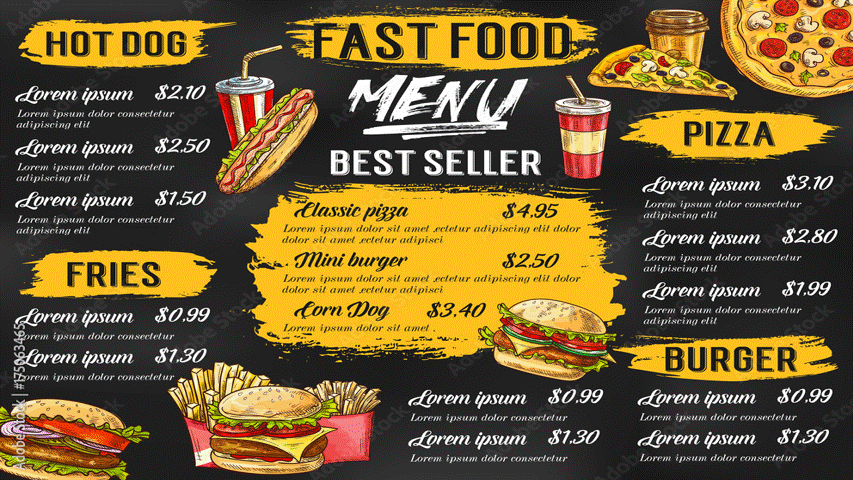
GRAPHIC PRINT
Full range of commercial products, our focus is on professionally printed menus, brochures, and flyers that deliver clear messaging, strong visual appeal, and lasting results.
Our menus, brochures, and flyers are produced with precision using premium materials, vibrant full-color printing, and careful attention to detail. Whether you need durable, easy-to-clean menus for restaurants, eye-catching brochures that showcase your services, or high-volume flyers designed to drive traffic and promotions, we deliver print quality that reflects your brand with professionalism and consistency.
